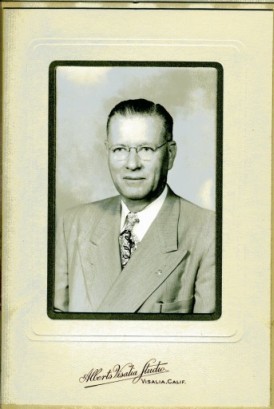
Jacob Wiley Redemer

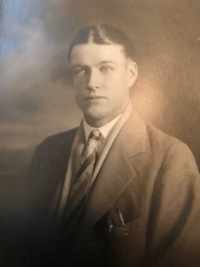
Jacob Wiley Redemer as a Young Man

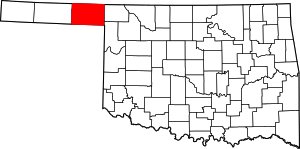
Jacob Wiley Redemer was the first born child of Jacob Casper Redemer and Lula Mae Meador. For most of his life he referred to himself as either “Wiley Redemer” or “J. Wiley Redemer.” He was born 24 Oct 1900 in Beaver, Oklahoma Territory. 11 months later, the family added Martha (1901) and then 8 more children between 1903 and 1918.
http://www.wikipedia.com

He attended school in a one room school house taught by one of his relatives, Martha Redemer, an unmarried aunt.
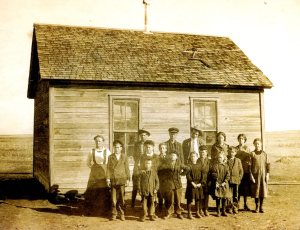
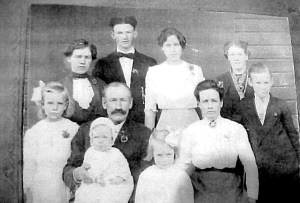
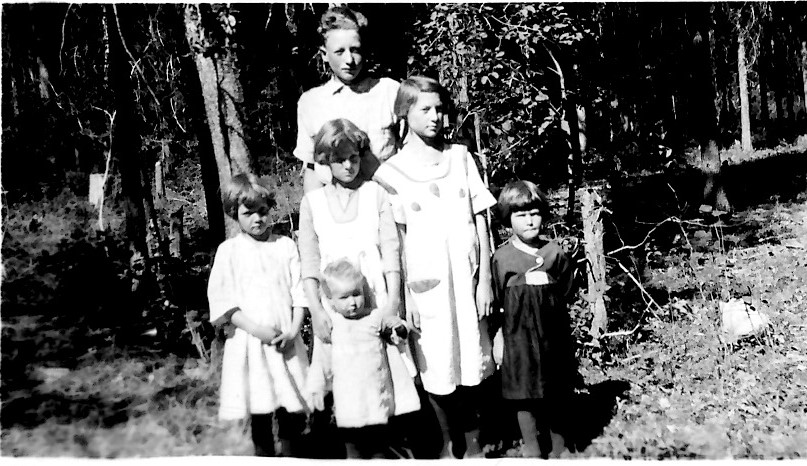
Wiley is thought to be the tall boy in the back with the jaunty hat. Later records show he left school after one year of high school.
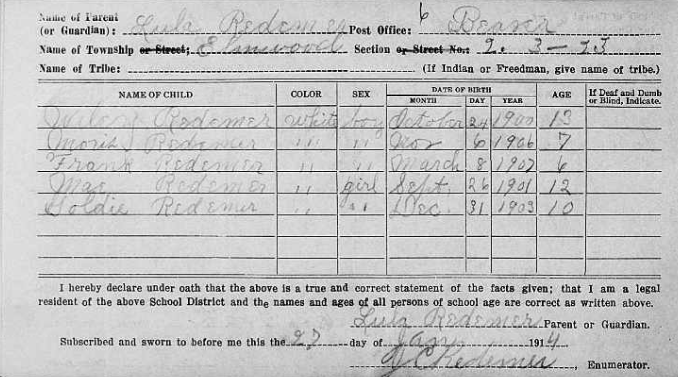
Beaver Oklahoma School 1914

1922 (age 22) Wiley suffered appendicitis and underwent an appendectomy, which at that time was a major and invasive procedure.
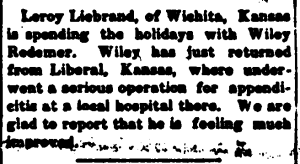
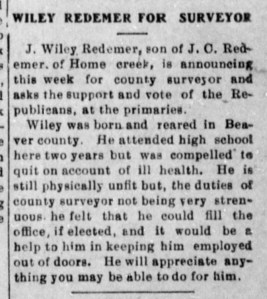
genealogbank.com Date: January 5, 1922 Location: Beaver, Oklahoma Newspaper: Beaver herald

Apparently in a weakened condition, physical work was not an option. He seized an opportunity and ran for county surveyor. He lost the election, 458 to 281.

About that time, Wiley met Ruth Estelle Smith, a black-haired beauty who stole his heart. He was working at a concession stand in the park. She was working as a court secretary. Ruth was raised in a stern and hyper-religious household. In Wiley, she found someone to truly love her.
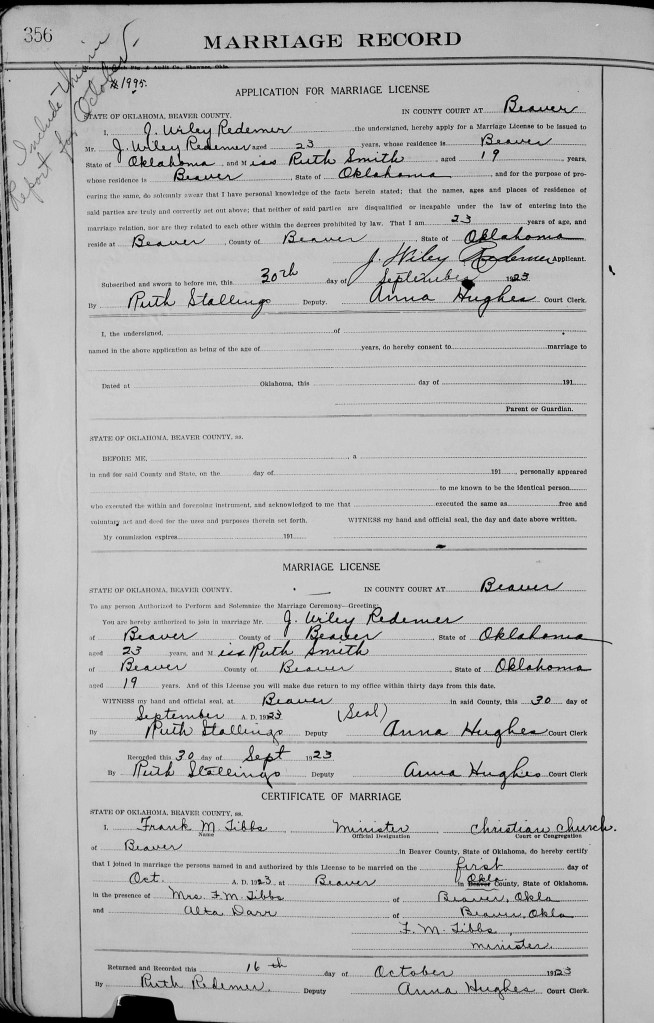
23 September 1923, Wiley (23) married Ruth Estelle Smith (19) in Beaver, Oklahoma.

Between 1927 and 1929 Wiley and Ruth moved to Tulare County, California. Her mother Eva Mae (Buckner) Smith had some property near Kingsburg. It was an opportunity for a better life. When the family left Beaver, Oklahoma for California, there were 3 little boys under the age of four in the car with a goat tied to the running board.  Duane was allergic to cow’s milk so the goat went with them to California. On the long slow trek to California, Ruth had a miscarriage and the baby was buried in the desert along the way. In 1929, after their arrival in California, the 4th son, Henry Eugene, was born.
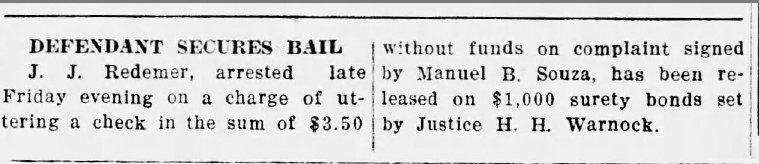
May, 1929, Wiley had a run-in with the law.
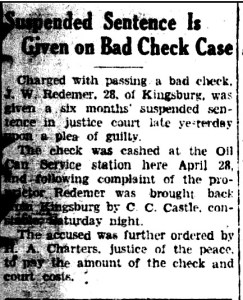
Wiley was given a suspended sentence for passing a $3.50 altered check.

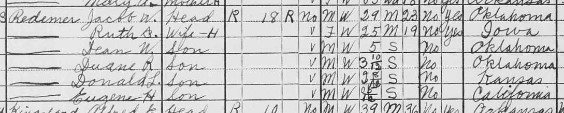
The Great Depression hit hard in August 1929. Gene was born 3 weeks after the stock market crash in October 1929. With four children to feed, aged 5 and under, money must have been hard to come by. Wiley was employed as a salesman for a life insurance company, a challenging job during an economic downturn. Wiley and Ruth paid $18 in rent.

1930 Census Dinuba, Tulare County, California
1932 and 1933, Wiley and Ruth joined the United Bretheran Church where Ruth became actively involved as the Church secretary.

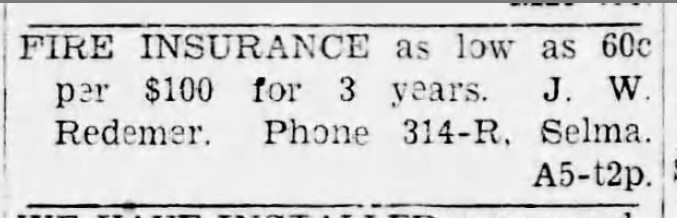
1934 He worked for Gibraltar Casualty Association in Selma, California.

Source: newspapers.com The Selma Enterprise 5 Apr 1934

  • 1935 March charged with 3 counts of petty theft and went to trial
  • 1935 April started working for an Automobile Dealership
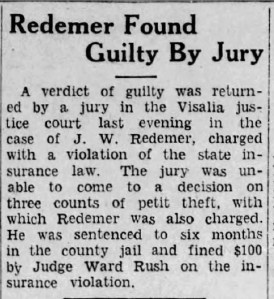
  • 1935 May Hung Jury and Retrial for Violation of Insurance Laws.

As the story is told, he took some money which had been paid to him for premiums. He fully intending to pay the money back.

These were hard and hungry times for this family of seven.

…and then it got worse….
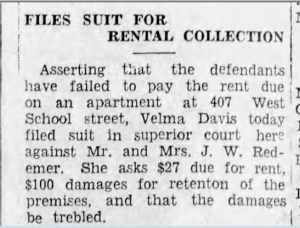
newspapers.com Visalia Times-Delta (Visalia, California) 7 may 1935, Tue Page 6
  • 1935 Nov 6 Jailed on 3 counts, found guilty and sentenced to 6 months.
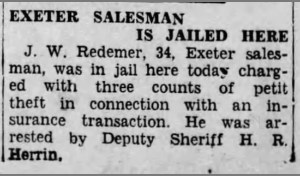
newspapers.com Visalia Times- Delta (Visalia, California) 16 Nov 1935, Sat Page 1
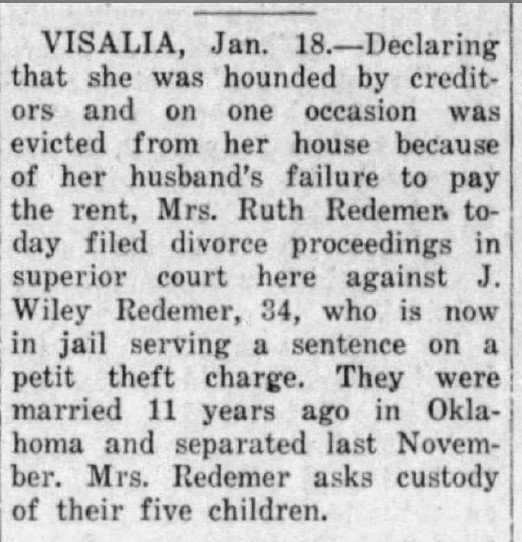
newspapers.com Visalia Times-Delta 13 Dec 1935, Fri Page 6

Ruth filed for and was granted a divorce in 1936. Wiley was required to proved $25 monthly for support of the 5 children. She would later say that divorcing Wiley was the worst mistake she ever made.

In the 1940 census, Wiley was recorded as having a wife named “Deanne.”

familysearch.org 1940 Census Visalia, Tulare County, California

In the California voter’s registration, he was

In the California voter’s registration, he was married to “Rose.” Wiley’s youngest child, Barbara, remembered living with Wiley and Rose for about a half of a year. Rose later divorced him.


In the California voter’s registration, he was married to “Rose.” Wiley’s youngest child, Barbara, remembered living with Wiley and Rose for about a half of a year. Rose later divorced him.

ancestry.com Calif Voter Registration 1942-1944 Roll 006

He continued to do well, selling automobiles.

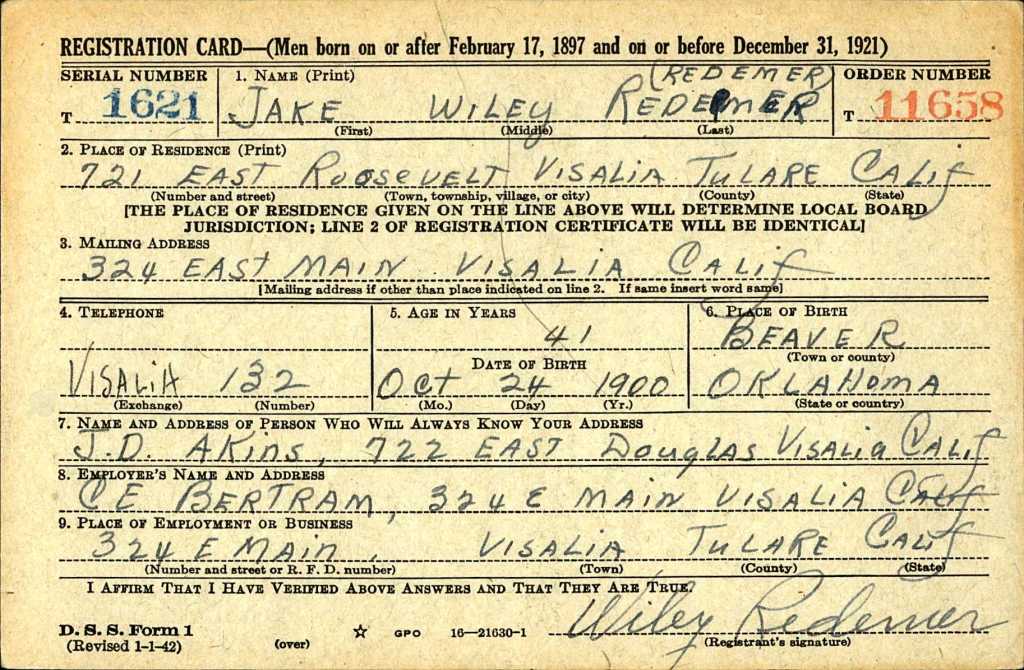
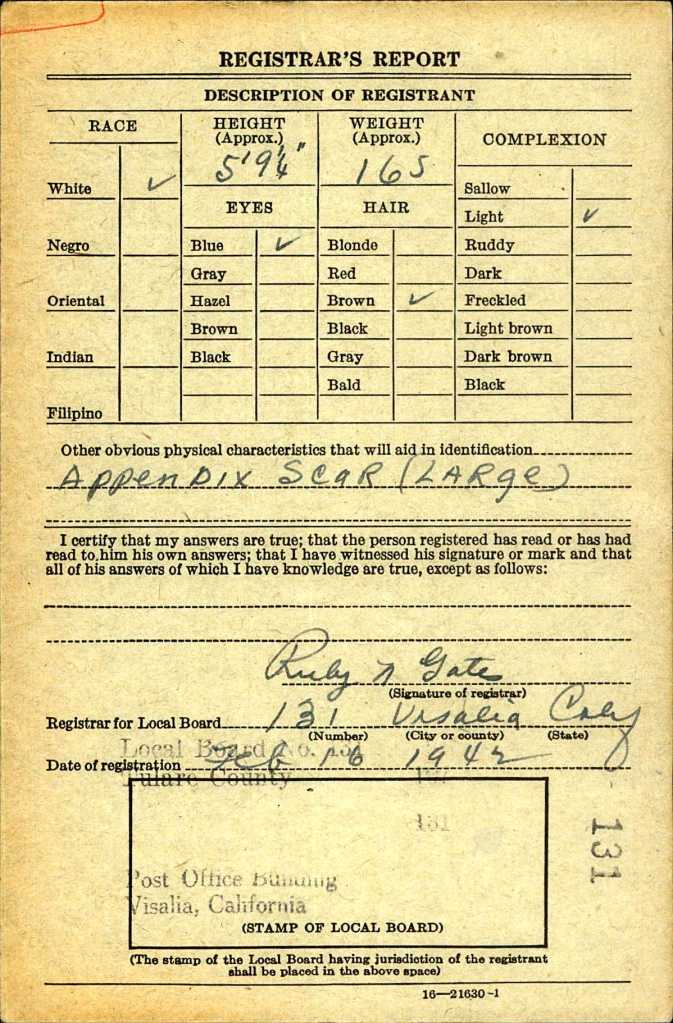
As was required by law, Wiley filled out a card for the 3rd round of the 1942 WWII Draft. He was described as 5-foot 9 1/4 inches tall, blue eyes, brown hair and light complexion.
He began a dance band group called the 4 Aces. Wiley played drums.

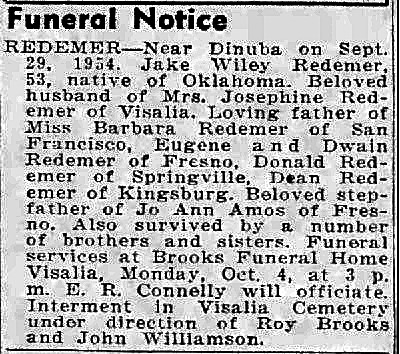
September 29, 1954, his life ended, far too soon.

newspapers.com Santa Cruz Sentinal The Sep 30, 1954
newspapers.com Visalia Times-Delta 1 Oct 1954, Fri. Page 10

He is remembered as a sweet, gentle and generous man who always wore a shirt and tie.

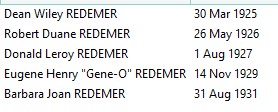
The Children of Jacob Wiley Redemer (1900 – 1954)
He’s a FRAUD!

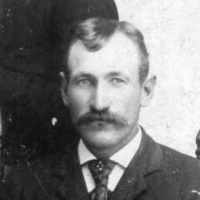
Joseph Nelson DePartee as a Young Man

Joseph Nelson DePartee was born 1868 to Mormons who crossed the plains with pushcarts in 1847, following the Mormon Trail to Utah. While still a very young boy, the family loaded up the wagon and moved to Idaho Territory.

Idaho Territory was established on March 3, 1863, by an Act of Congress and signed into law by Abraham Lincoln. It was carved out from the Oregon and Washington Territories. This newly created Territory covered all of the present-day states of Idaho, Montana and almost all of present-day Wyoming.

The Territory was criss-crossed by the Oregon Trail, the California Trail and the Mormon Trail. The Mormon Trail had been conveying settler wagon trains across the Continental Divide into the Snake River Basin since 1847.

During the Civil War, the concerns and challenges of war were far removed from the settler’s daily life. The stability of the Idaho Territory encouraged development, especially with the discovery of gold, silver and other valuable resources throughout Idaho in the 1860’s. As the Territory progressed toward Statehood, mining and other related mining industries became increasingly important to the economy. Many a pioneer was drawn by the lure of gold and the enticing opportunity for its discovery. The were willing to leave the known for the unknown.

The Transcontinental Railroad was completed in 1869 and brought eager settlers to the Territory. Not long after the official creation of the Idaho Territory, a public school system was established and stage coach lines began regular service. In 1865, regular newspapers were published in Lewiston, Boise and Silver City. The first telegraph reached Franklin in 1866 and the first telephone call in the Pacific Northwest was made on May 10, 1878 in Lewiston.

Although a sizeable minority, Mormons in Idaho were held in suspicion by others in Idaho. By 1882, notable and powerful Idahoans successfully disenfranchised Mormon voters in Idaho Territory, citing their illegal practice of polygamy. Idaho was able to achieve statehood some six years before Utah, a territory which had a larger population and had been long settled, but was majority LDS with voting polygamists.

http://www.wikipedia.com

The territory was admitted to the Union as the State of Idaho on July 3, 1890.

The move that the DePartee family made from Utah to Idaho may have been to separate themselves from the Mormon culture or to take advantage of the opportunities that mining gold and silver offered, or perhaps both.

By age 10, Joseph was an attache’ for the Idaho Territorial Legislature and by age 12 he worked as a page boy in the 1880 Territorial Legislature.

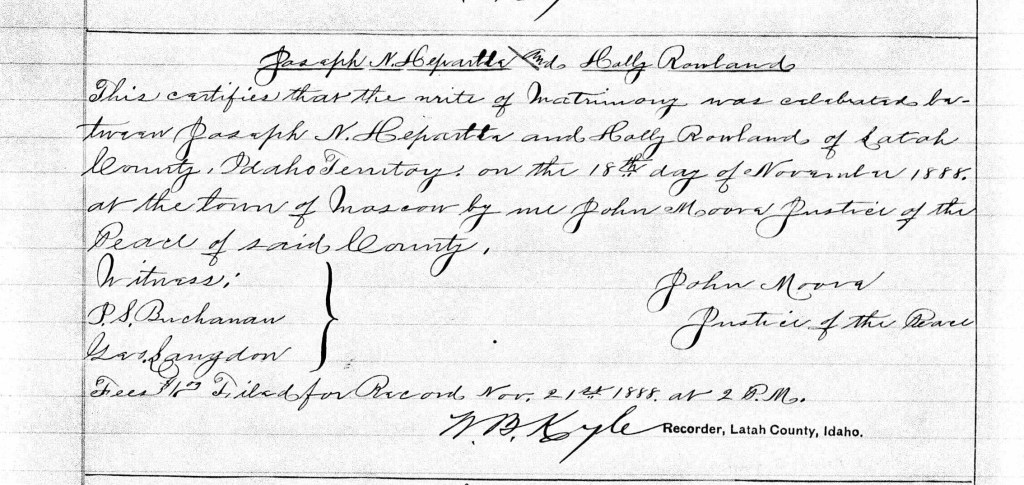
At 20, he married Dolly Rowland.

9 months later, in August 1889, our direct ancestor, Grace May Departee was born. She was followed by Josie Maude (1892), Stella Verna (1893) and Joseph Manley (1896). It is suspected that other children were born, one between 1889 and 1892 and perhaps another between 1893 and 1896. Because contraception was not a reality for most women, it was unusual for babies to born more than 18 months to 2 years apart. A period of longer than 2 years between children usually indicated an infant death.

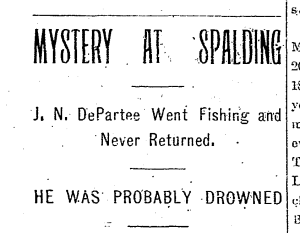
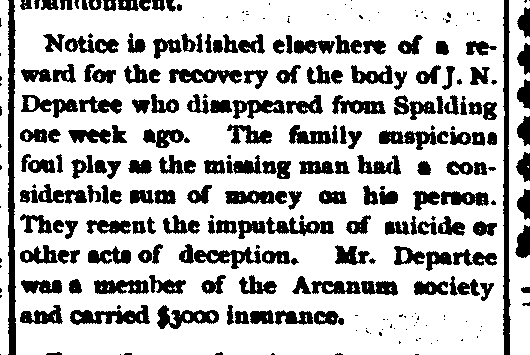
In December 1898, this husband and father, disappeared.

From all indications it appears that J. N. DePartee, of Moscow, was drowned in the Clearwater river at Spalding Wednesday night. He left the town about 9 o’clock stating to a relative that he was going to the river to fish for salmon. An hour later friends went to the river, but could find no trace of him. The search was continued through the night without success and at daylight yesterday morning the searcher discovered a capsized boat anchored about fifty feet from the shore.

Jno. A. Wilkinson, who visited in Spalding Wednesday night, returned to this city yesterday afternoon. From the information he could gather it appears that the missing man has been visiting relatives at Spalding from Moscow, where his family, consisting of wife and four children, reside. Since his arrival at Spalding he has been gambling considerable with varied success. Wednesday afternoon he was fishing in the river near Spalding, using a small boat which he anchored in the stream. In the evening he was playing cards and about 9 o’clock he got up from the table, telling his cousin, who is a blacksmith at Spalding that he was going to the river to fish. Just before leaving the room he said to his cousin, “If I am not back in a half hour, come and see what is the matter.” He did not return and about one hour after his departure a party of men went to the river in search of him. The night was quite dark and failing to find the boat they yelled, but received no response. The search was then continue through the night. The capsized boat was discovered at daylight.”

Idaho Weekly-Tribune, December 23, 1898

5 days later…December 28, 1898

Lewiston_daily_teller Dec 28, 1898

The Arcanum society was (and is) a non-profit fraternal benefit society, much like an insurance company. It managed a Widows and Orphans Benefit paying out over $40 million dollars by the mid-1890’s in $1500 and $1300 certificates.

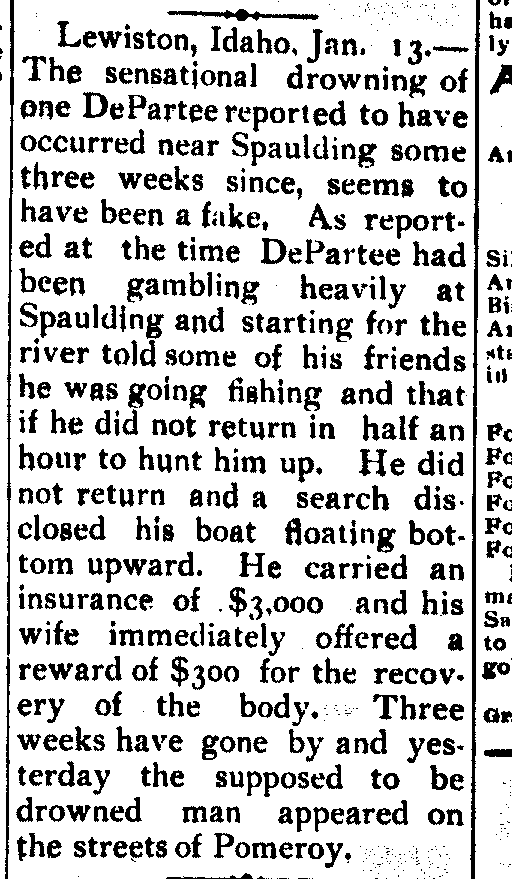
January 21, 1899 – Explanation: Version One

January 28, 1899 Explanation: Version Two

Lewiston Daily Teller January 28, 1899

Whether he had lost so much money he didn’t dare go home again and face his wife’s wrath or whether he felt himself more valuable presumed dead than alive, it is not known. His wife, Dolly must have forgiven him and let him back into their bed because four more children blessed their marriage, Earl Nelson (1904), Twilla (1910), Hilda Jane (1912), and Wallace David (1913).

EPSON MFP image

He continued farming until 1907 when he brought a great change to the family. Joseph “got religion” and became an ordained Methodist minister moving the family every year or two as the needs of the church changed. He served the church at Bethel, Leland, Gilbert, Julietta, Lapwai, and Star, Idaho. It was often said of him “That man sure can preach!”

Life in 1907

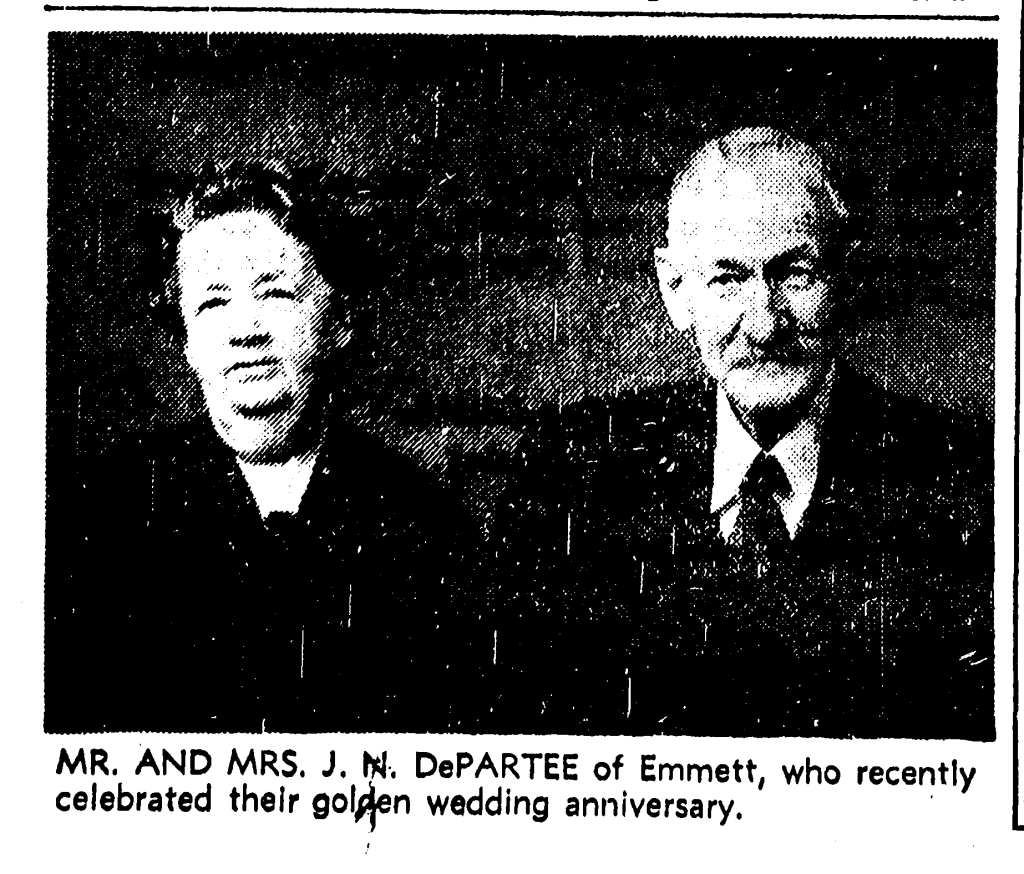
Their 50th and Golden Anniversary was celebrated in 1938.

Photo was taken shortly before his death in 1938. Per family stories, Joseph always called Dolly, “Ma’am”. Dolly kept a cast iron tea pot on the back of her wood stove and he would approach her with his hat in hand and ask, “Ma’am, may I please have a cup of tea?”

http://www.newspapers.com Lewiston Tribune Dec 17, 1938

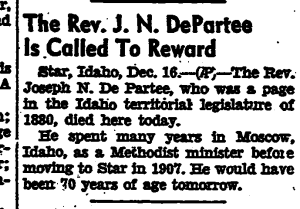
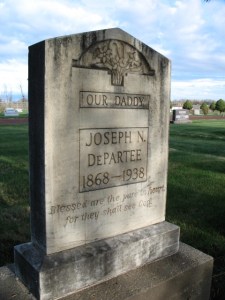
Joseph died a few weeks after celebrating his golden wedding anniversary with Dolly Rowland and one day shy of his 70th Birthday.

http://www.findagrave.com Mem ID #35765301

Obituary

Idaho Statesman, published as The Idaho Daily Statesman
December 17, 1938 page 2

J. N. DEPARTEE DIES IN BOISE

Joseph Nelson DePartee, 70, who came to Idaho in a covered wagon, and at the age of 12 was a page boy in the Idaho territorial legislature of 1880, died early Friday in a Boise hospital.

Mr. DePartee spent many years farming near Moscow. He later entered the ministry. His last church was at Star. He retired from active service for the Methodist church several years ago.

For 58 years he was a resident of Idaho. He was born at Nephi, Utah, in 1868. The family soon moved to Boise. He was appointed an attaché of the legislature as a youngster 10 years before Idaho became a state. In 1888 he married Dolly Rowland at Moscow.

Farming was his business until 1907 when he became a minister. He served at Bethel, Leland, Gilbert, Julietta, Lapwai and Star.

Surviving are five daughters, Mrs. Grace Irvine of Canyon City, Ore.; Mrs. Maude Dougherty of Kendrick, Mrs. Stella Boehm of Eagle, Miss Hilda DePartee of Boise, Mrs. Twilla Taylor of Eagle; three sons, Earl of Star, Joe M. of Emmett, and Wallace of Nampa; 12 grand children and six great grand children.

Funeral services will be held Sunday afternoon at 2 o’clock at the Methodist church in Meridian. The Rev. Grant Carrick of Clarkston and the Rev. W. J. Luscombe will officiate. Burial will be in Star cemetery.

The body is at the Summers funeral home in Boise.

Green River, Wyoming

When World War II ended in 1945, the military geared down, releasing millions of soldiers and sailors back into the labor market. Civilians who worked for the military were laid off, including Ken Pratt.

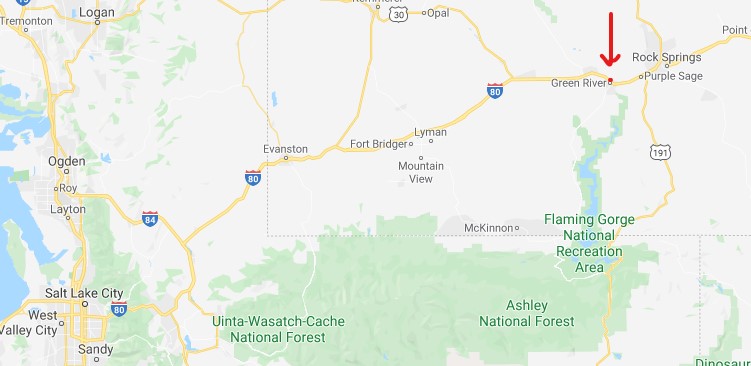
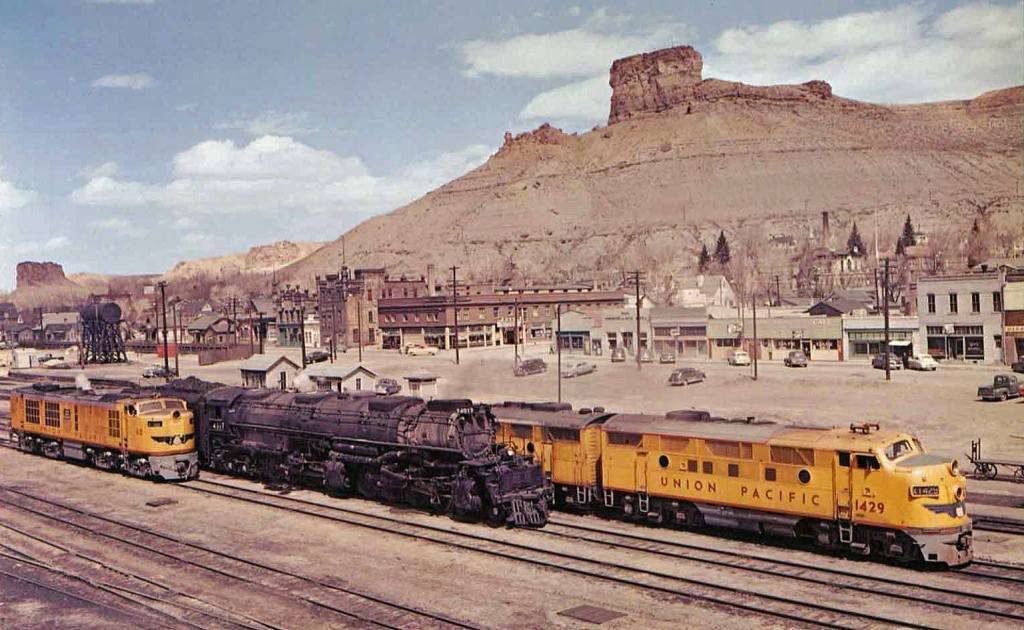
The rationing of sugar, coffee, gas and shoes, came to an end, but jobs were few and far between. Ken got a job working for the railroad in Green River, Wyoming and so the family moved to Wyoming.

Newspapers.com Ogden Standard-Examiner 20 Aug 1945

The stories about their time living in Green River, Wyoming are about challenges and hardships. Barbara’s mother, Vina, rarely said anything positive about living there. “There was nothing good about living in Green River.” When she hung the clothes on the line, they would come in either covered from soot from all of the nearby trains, or frozen stiff. In January, the average high temperature is 32 and the average low is 5.

Barbara’s Green River, Wyoming – Memories.

We lived in a house that had a big yard with a huge old tree that had a swing and tiger lilies grew in the yard. Neighbors seemed far away. The house was built like a Round House where every room opened off the kitchen. The porch went all the way around the house and each bedroom had a door opening onto the porch. The bedrooms were ice cold and heated only by the big wood stove in the kitchen.

Barbara remembers: “Dad, would get us out of bed and wrap us up in blankets and take us into the kitchen. He would sit us on the little sofa he had made us, stoke the fire and open the oven. Mom made us oatmeal and we sat on the little sofa and used the oven door like a table.”

Ken, would often be gone for days or a week at a time, working on the railroad, leaving us isolated and alone. The two girls, Barbara and Jeanne, were always excited when Ken was home because then home was a happy and safe place.

Mom woke up one morning after a light snow and there were foot prints all the way around the porch, as if a stranger had tried every door. Barbara said, “Mother was terrified!
During those difficult years after the war, Hobos “road the rails” looking for work, food and a place to sleep. Barbara remembers , “as plain as day” how terrified her mother was living there and how she kept a loaded shot gun by the front door.


One Spring night, after a fairly nice day, it was just beginning to get dark. The front door was open and the screen door latched. Mom looked up from the table and saw a man trying to get in the door. She pointed the loaded shot gun at him and told that if he didn’t leave she would shoot him. Vina: ” He argued with me a little but I made it very clear that I would shoot him. I told him I was a very good shot.”


The man did leave, but Mom sat up all night with the shotgun. We all slept that night in the kitchen. After that episode, Mom must have given Ken an ultimatum because it was the LAST winter we spent there.


Dad would call when his train was in and we would have to drive the 20 miles to Rock Springs to pick up him up, whether it was raining, snowing, day or night. Mom would put us in our pajamas, bundle us up in the back seat with all the blankets we had and head to Rock Springs. She would hope for another car going in the same direction so she could follow the tail lights. More than once we skidded off the road in the snow. We would have to huddle in the car and wait for someone to come and pull us out. Mom was always so grateful that she made it to Rock Springs when Dad could take over and drive.


There are no good memories of Green River.

….and now for the rest of the story….

Vina Smith, mother of Barbara, Jeanne and Sue, had a tough, early life. Understanding her early life helps to understand her later decisions.

Photo from about 1922 or 1923. Vina is the baby.

She was the youngest of 7 children, of which, 5 survived. A set of twins, Joseph and Jeremiah, were born and died 22 Feb 1920. Vina was born in 1922. All but one of the children were born at home in the “back hills” of Idaho. When her mother, Grace, went into labor she would send one the children to the shed for a harness that she would use to “pull on” during labor. She would send one of the other child to fetch one her female cousins to help her through the birthing process.

McCall, Idaho

Vina’s father, William Francis Smith, “wandered off” often, coming home just long enough to get Grace pregnant (again). Grace divorced William in 1926. Divorce was a rare and scandalous thing to do in 1926, especially if there were 5 children at home. Vina was 4 at the time.

From a letter written by Vina’s sister, Dolla, the following reveals how tough life was: (The grammar and spelling are as written.)

Dad & Mother separated in 1925 & divorced in 1926. All of us were poor and sick –

Dec 1925 we all had the flu- then in the spring of 1926 we all had whopping cough – & a couple of months later almost all of us had measils – the Red Cross took care of us – we lived then in McCall, Idaho.

The Red Cross explained to mother that another winter in McCall would be impossible because of our week lungs – in this interval mother had a miscarage & we nearly lost her.

Us children went to Boise with our grandparents while mother cooked in a loging camp & Bert worked with the same contractor.

Our grandparents could not accept the divorce & we moved to Enterprise, Ore.

Mother then left me to work for a family in Enterprise & took the younger children to her sister Maude Dougherty in Kendrick, Idaho.

She then gathered up all us children & went back to McCall, Idaho & sold the small ranch & moved to John Day, Oregon.

Dad came to see us once or twice there.

By the time Vina had her 16th birthday, her mother, Grace, was ready to be done with raising children.

Grace married Vina off to her handsome handyman, Gordon Christopher.

Vina liked to shoot and was reportedly, a very good shot.

Vina and Gordon were married, April 2, 1938 at the Geiser Grand Hotel, Baker City, Oregon. She was 16 and he was 22. She hadn’t wanted to get pregnant but it happened anyway; there weren’t many ways to prevent it in 1938. She said “I remember exactly when it was. We were celebrating our first anniversary, and I got careless.” Vina liked to dance and have a good time. Having a baby was not what she had in mind.

Vina struggled to cope with being married and being a mother to a premature baby. Her mother, Grace, who lived next door, was a frequent and unwelcome intrusion. Grace would interfere and tell Vina what she should and shouldn’t do. She would insist that Vina iron the handkerchiefs she used as diapers to make sure they were good and dry.

Then there came the day when she took Barbara, and ran away from Gordon, her mother and Canyon City, Oregon.

Stay tuned…..

Barbara’s early childhood

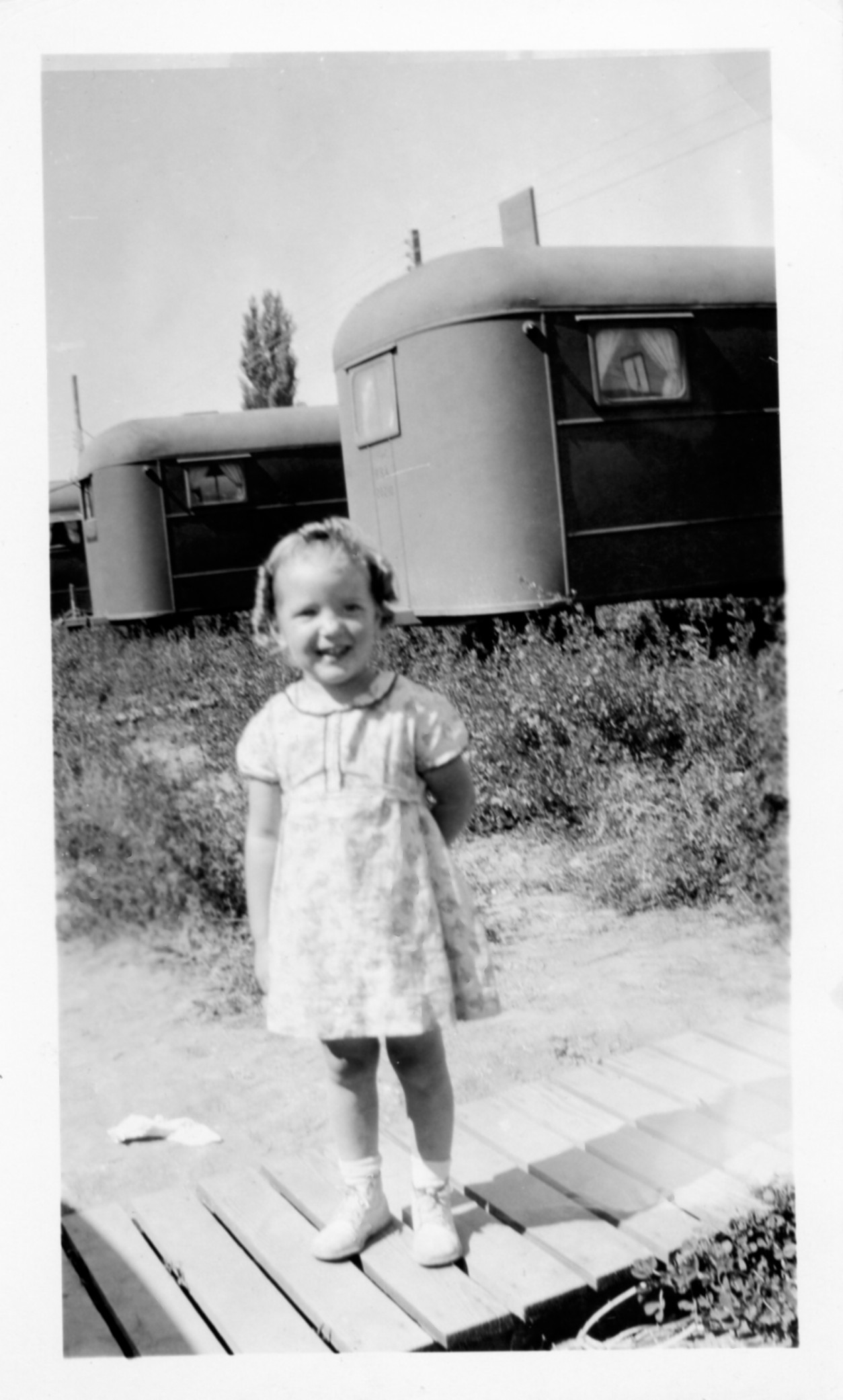
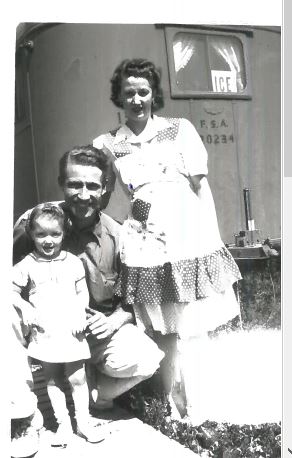
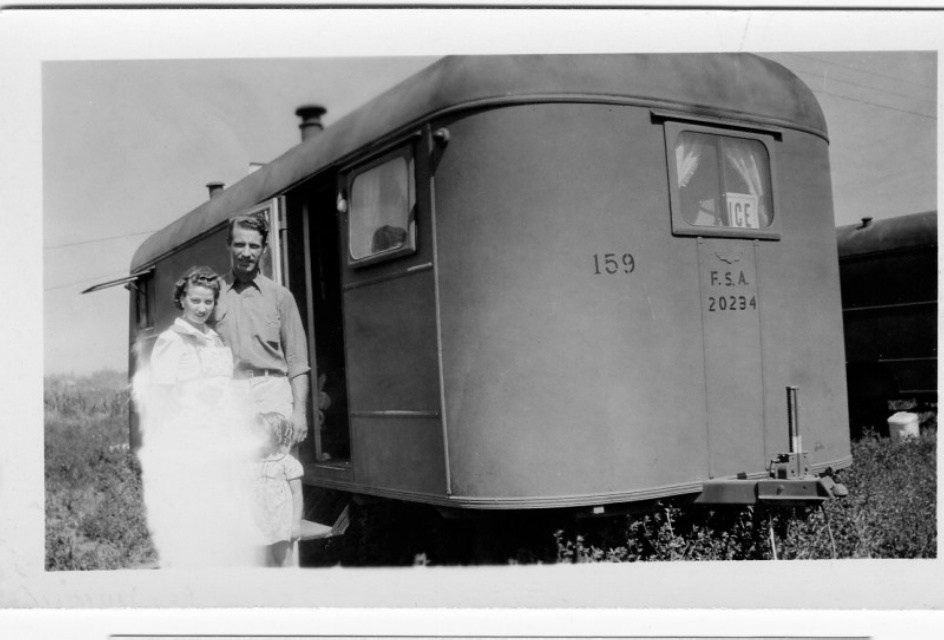
Seven months after the attack on Pearl Harbor and the U.S. declared war on Japan, Barbara’s mother married Ken Pratt. As an electrician, Ken’s skills were in high demand to support the war effort. Housing was hard to find for the influx of workers at Hill Air Force Base, Ogden, Utah. Small, un-airconditioned trailers were made available to the civilians and for those who lived in one, they felt lucky. (Note the sign for ICE delivery in the window.)

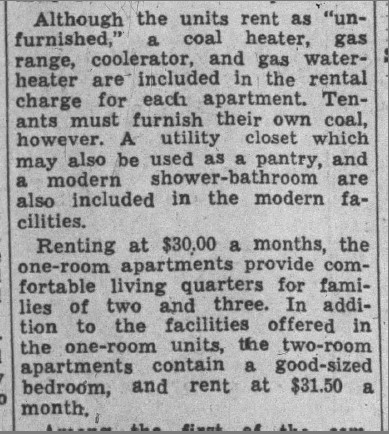
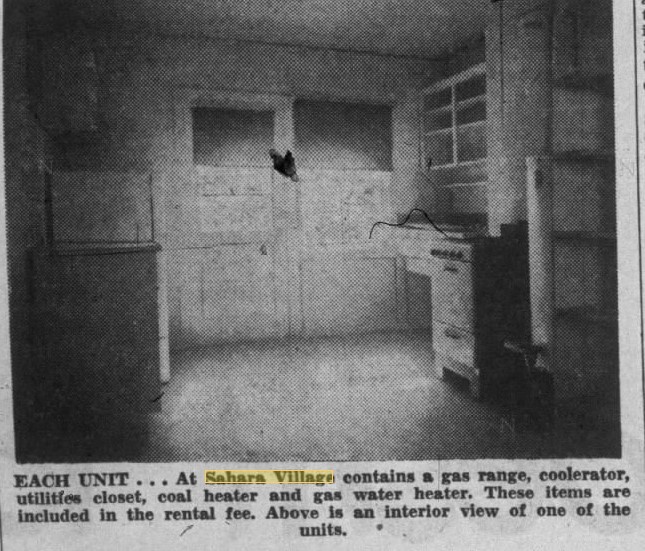
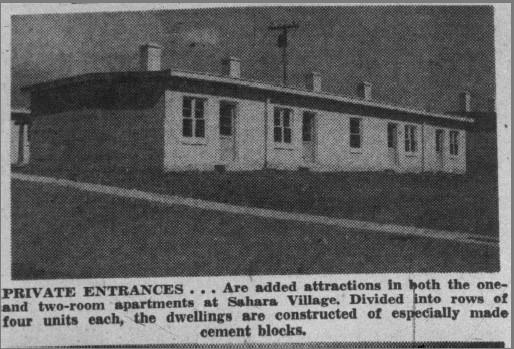
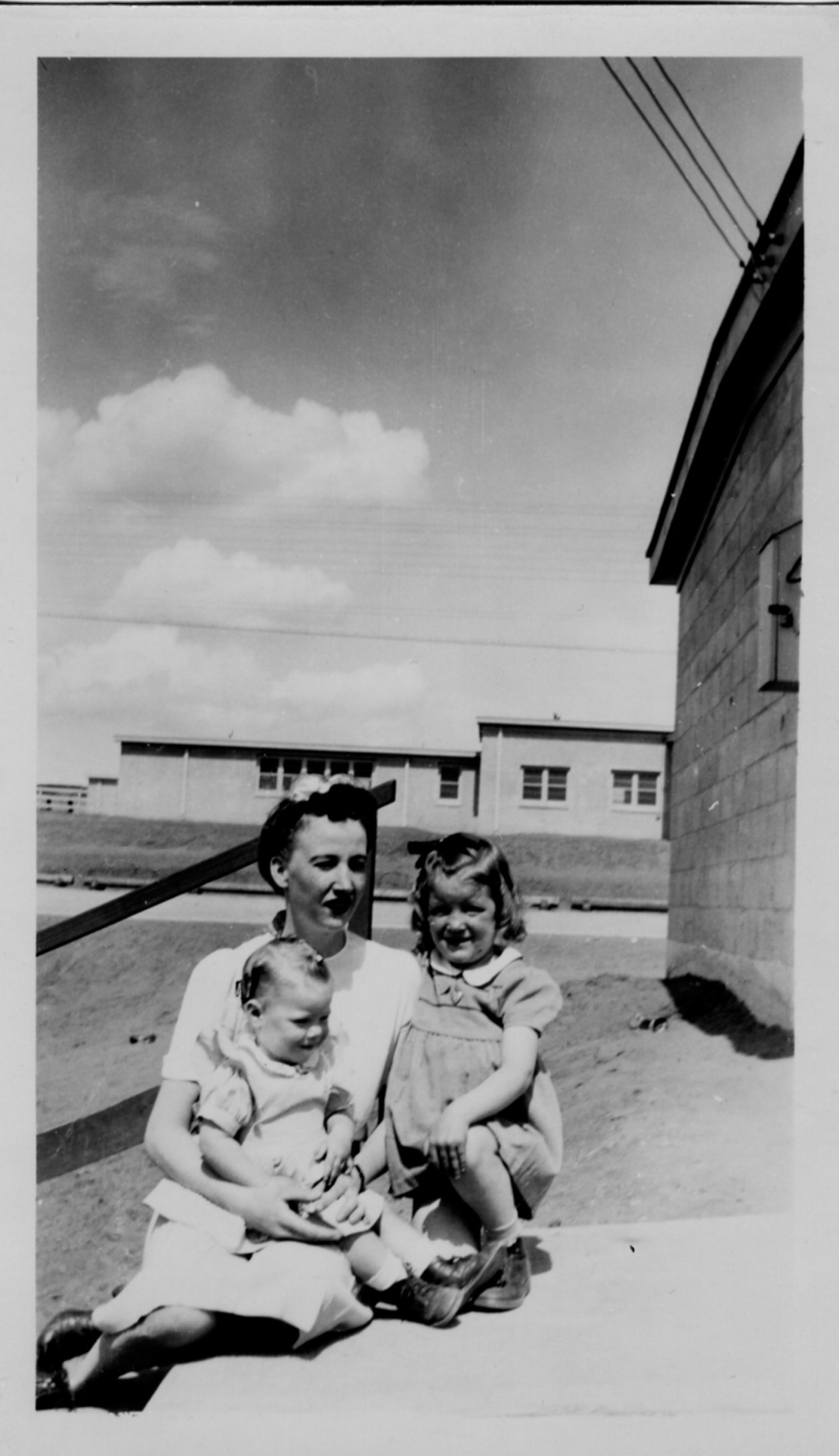
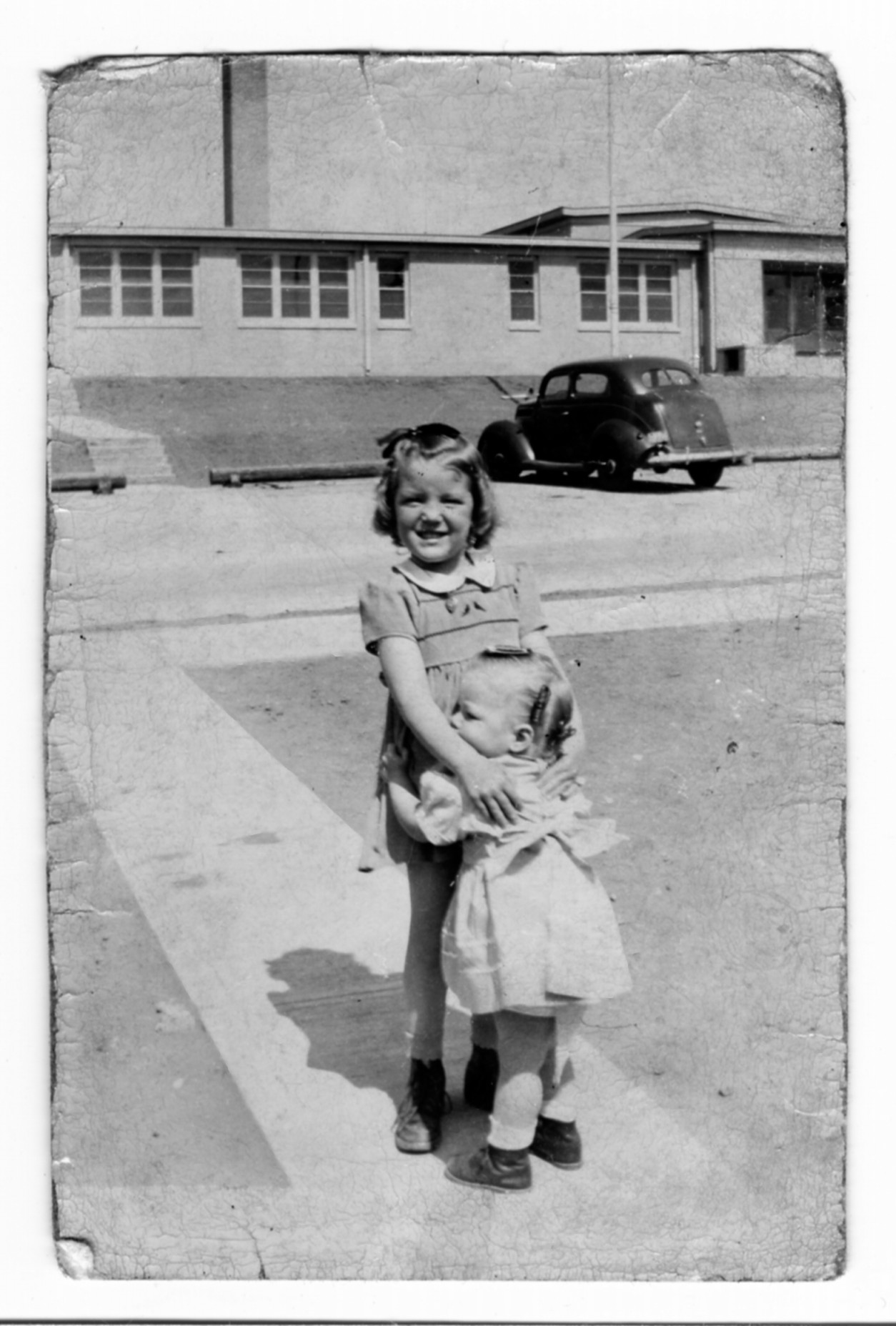
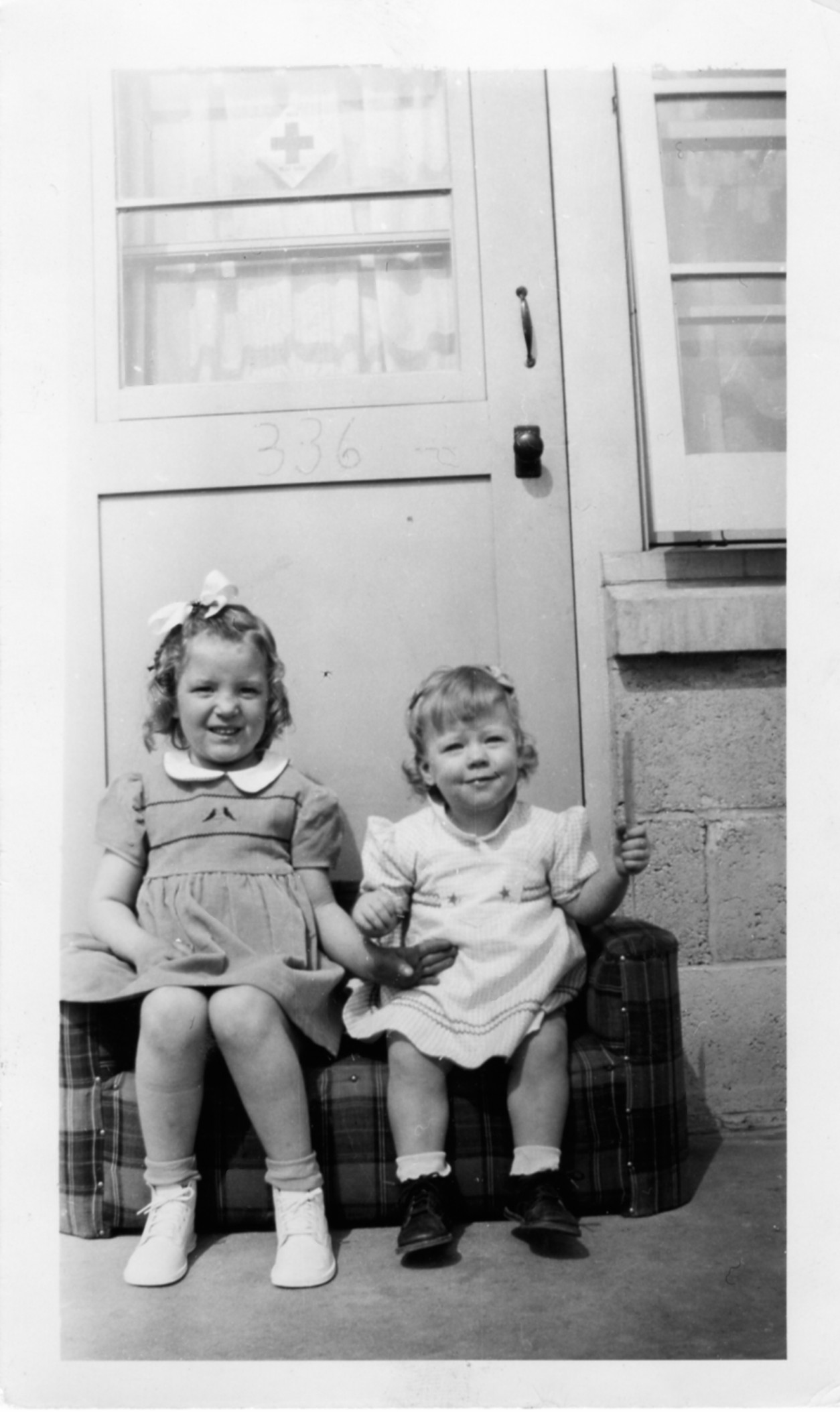
In late 1943, housing at “Sahara Village became available.

Clippings: Newspapers.com – The Ogden Standard-Examiner)

When World War II ended in 1945, a new chapter began…..

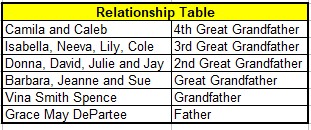
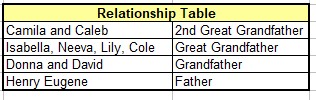
Joseph Calvin DePartee (1845 – 1915)

  • Camila and Caleb Hale…… Fifth Great Grandfather (GR GR GR GR GR Grandfather)
  • Neeva and Isabella……….. Fourth Great Grandfather (GR GR GR GR Grandfather)
  • Donna, David, Julie, Jay…. Third Great Grandfather (GR GR GR Grandfather)
  • Donna, David, Julie, Jay…. Third Great Grandfather (GR GR GR Grandfather)
  • Barbara, Jeanne, Sue…….. Second Great Grandfather (GR GR Grandfather)
  • Vina Smith Spence………… Great Grandfather
  • Grace May DePartee………. Grandfather
  • Joseph Nelson DePartee… Father

Joseph C. DePartee was described as an enterprising farmer and miner who “manifests diligence and vigor” in the care of his property.  His life was one filled with adventure.  He crossed the plains with the Mormons chased the dream of silver and gold in many, many mines in the Western Frontier, and ultimately settled on a farm a few miles northeast of Moscow, Idaho.

Born in Oct, 1844 in Pottawattamie, Iowa, and in 1846, moved with his family to Rockport, Missouri.   At 18, with his Mother, Uncle and siblings he crossed the plains to Utah with a wagon train of Mormons.

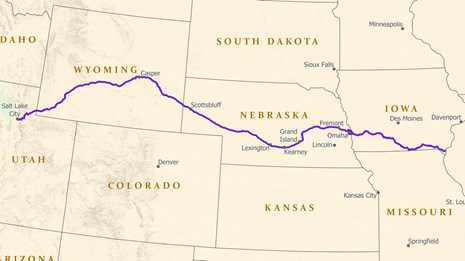
The 1,300 mile-long Mormon Trail was first walked by the Mormons who fled from Nauvoo, Illinois in search of refuge in the Salt Lake Valley.   Beginning between 1846 and 1847 the route was followed by the Mormon faithful for 20 years until the completion of the transcontinental railroad made migration faster and easier.

https://www.nps.gov/mopi/index.htm

Our ancestor, Joseph C. DePartee, made this crossing twice.  Once with his Uncle, Mother and Siblings in 1862 (age 18) and again in 1866, when he worked as a wagon guard.

He left his family numerous times to work in the mines of Nevada, Montana, Utah, Idaho and California. Gold, silver, zinc and lead discoveries drew thousands of eager prospectors from around the world.

Although born into the Mormon lifestyle, traveled with them and married one, he must have become disenchanted at some point.  In the History of North Idaho, his biography is concluded with: “He was not allied with the Mormons in their religious belief in Utah and hence he preferred to leave their section.”

At the time of his death in 1915, he had been married to Jane Holden, 44 years, with whom he had 4 children.

Obituary

The Star-Mirror, Moscow, Idaho, May 31, 1915: “Moscow Mountain.–In the death of J.C. DePartee, at the age of 71 years, Latah county has lost one of its oldest pioneers. He rode across the plains horseback in 1861 and he and his esteemable wife came to Moscow in 1877. Thirty years ago they settled on a homestead six miles northeast of Moscow, which is now known as the Haddin place. For some years past he and his wife had been living at Orofino. Besides his wife, he leaves three children. His daughter, Mrs. Al Draper, lives near Moscow.”

There is always more learn and more to tell.